
- seo
What Makes a Great Orthodontist, and Why It Matters
If you’re searching for the right orthodontist in Roseville, CA, start here: verify board certification, read guest reviews, schedule a free consult, and compare treatment options and value, not just price. The right specialist combines advanced training with an approach that puts your goals first, building treatment plans around your specific needs. Unlike general dentists who offer basic care, orthodontists complete two to three additional years of specialty residency focused exclusively on teeth alignment and jaw correction. That extra training? It shows up in your results.
So what separates a great orthodontist from an average one? It starts with credentials. Board certification by the American Board of Orthodontists signals a dedication to going beyond minimum licensing requirements. Look for memberships in professional organizations like the American Association of Orthodontists (AAO), which holds members to strict ethical and educational standards. Sunrise Orthodontics is proud to hold these affiliations, giving Roseville families confidence in the care they receive.
Beyond credentials, the right providers offer treatment built around you rather than one-size-fits-all plans. They take time to understand your goals, explain your options clearly, and create a plan that fits your lifestyle. You should feel heard, not rushed. That personal connection matters just as much as technical skill.
How to Evaluate and Choose the Right Orthodontist
Finding the right orthodontist takes a bit of research, but the process is straightforward. Here’s how to approach it:
Check Credentials First
Start by verifying the orthodontist’s training and certifications. Are they board certified? Do they maintain active memberships in professional associations like the AAO, ADA, or CDA? These affiliations indicate ongoing education and adherence to industry standards. The team at Sunrise Orthodontics in Roseville includes providers who are members of the AAO, ADA, and CDA.
Guest Reviews Tell the Real Story
Check Google, Yelp, and Facebook for verified guest feedback. Look for patterns. Do people mention friendly team members? Comfortable experiences? Clear communication? A few negative reviews happen everywhere, but consistent praise for specific qualities tells you a lot. Pay attention to how the practice responds to feedback, too, because that says something about their culture.
What to Look for During a Free Consult
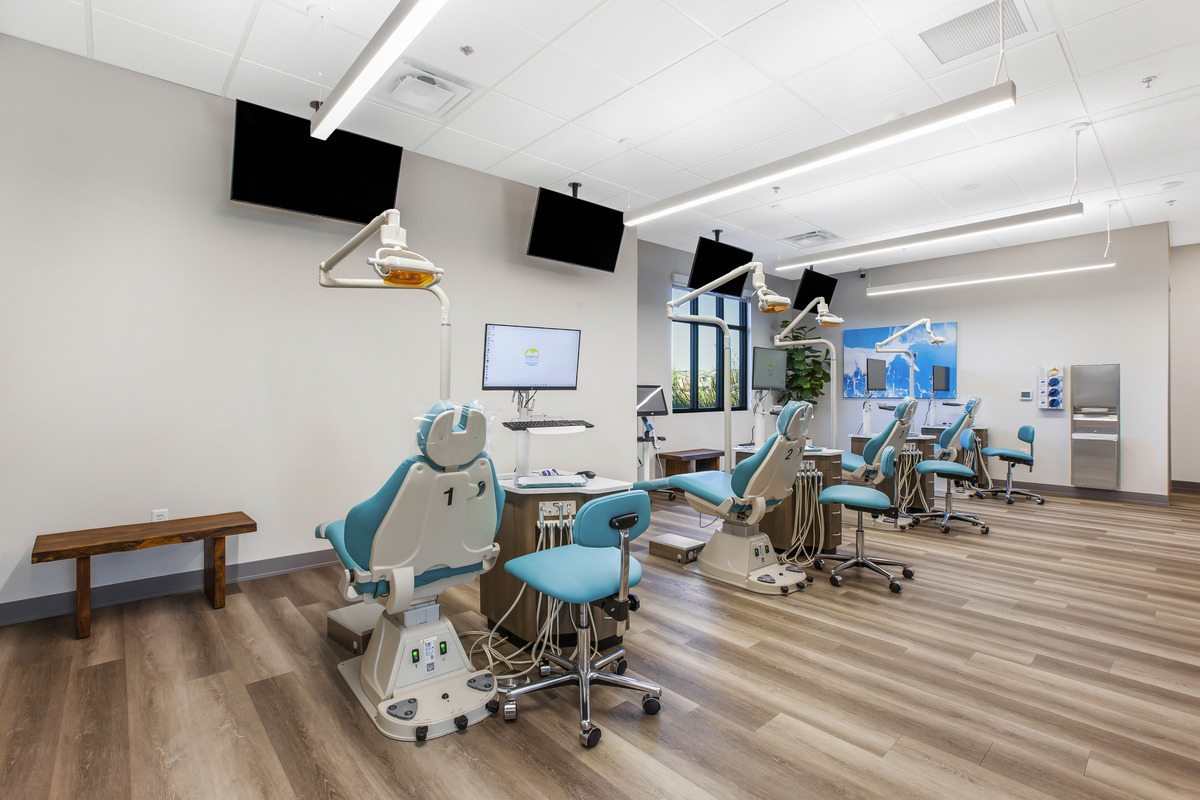
Many practices offer complimentary first visits. Use this time to assess the practice environment, meet the team, and see what technology they use. Digital scanning systems like the iTero eliminate messy impressions and provide more accurate treatment planning. Notice how the team treats you from the moment you walk in. Are they warm? Attentive? That first impression usually reflects the full experience.
Ask About Treatment Options
A quality orthodontist provides multiple paths to your dream smile, and they should be excited to walk you through each one. Ask about traditional braces, clear braces, Invisalign, and early treatment options for children. The right practice will recommend what works best for your specific situation, not push a single solution.
How Do You Compare Value Instead of Just Price?
Get clear information about payment plans, insurance coordination, and total costs. The cheapest option rarely delivers the strongest outcomes. Focus on the overall value: experience, technology, treatment options, and how the team treats you. A practice that invests in advanced tools and continuing education is investing in your outcome.
Benefits of Choosing a Top-Rated Orthodontist for Your Smile
Working with an experienced orthodontist offers advantages you won’t find with less specialized providers.
How Does Advanced Technology Improve Your Results?
- Digital scanning and 3D treatment planning deliver more precise results with no messy impressions
- Multiple treatment options tailored to your lifestyle, whether you prefer traditional braces or something more discreet like Invisalign
- Fewer unexpected visits when your provider has handled cases like yours many times before, which means a more efficient timeline overall
Why Do Long-Term Outcomes Matter?
Straight teeth aren’t just about appearance. A well-aligned bite makes cleaning easier, reduces wear on enamel, and lowers the risk of future dental problems like cavities or gum disease. These benefits last years, even decades, after your retainer phase wraps up.
- Better long-term oral health, including improved bite function and reduced risk of future dental problems
- A team that makes kids and adults feel at home throughout the entire process, from first visit to final retainer check
The right orthodontist doesn’t just straighten teeth. They help you love the smile you see in the mirror. That confidence stays with you long after treatment ends.
Orthodontist vs. Dentist vs. DIY Aligners: Which Is Right for You?
An orthodontist is typically the right choice for most guests because of their specialized training, ability to handle complex cases, and full in-person supervision at every appointment. General dentists and mail-order aligners have significant limitations by comparison. These three paths may look similar on the surface, but they work very differently:
| Factor | Orthodontist | General Dentist | Mail-Order Aligners |
|---|---|---|---|
| Training | 2-3 years specialty residency | General dental training | No in-person provider |
| Case Complexity | Handles all cases, including severe | Limited to simple cases | Mild crowding only |
| Supervision | In-person monitoring throughout | In-person, limited expertise | Remote or none |
| Treatment Options | Full range (braces, Invisalign, appliances) | Usually aligners only | One type of aligner |
| Safety Oversight | Full exams and X-rays | Basic evaluation | Often skipped |
The AAO has issued warnings about unsupervised aligner treatment. Without proper evaluation, underlying issues like gum disease or bite problems can go undetected. Moving teeth without addressing these concerns can cause lasting damage.
General dentists can handle simple cases, but complex issues like severe crowding, bite problems, or jaw misalignment require specialist training. That’s why seeing a specialist makes sense for anything beyond mild crowding.
What Does Orthodontic Treatment Cost?
Orthodontic treatment typically costs between $1,500 and $8,000, depending on the type of braces, case complexity, treatment duration, and provider experience. The range is wide because every mouth is different, and a free consult is the best way to get an accurate estimate for your specific situation. Here’s a general breakdown by treatment type:
| Treatment Type | Typical Range | Best For |
|---|---|---|
| Traditional Metal Braces | $3,000-$7,000 | Complex cases, all ages |
| Clear/Ceramic Braces | $4,000-$8,000 | Aesthetic concerns |
| Invisalign | $3,500-$8,000 | Mild to moderate cases |
| Early Treatment (Phase 1) | $1,500-$3,500 | Children ages 7-10 |
Ranges reflect general market data. Your actual cost depends on case complexity, treatment duration, and provider experience.
Several factors affect your final price. Case severity plays the biggest role, since more complex issues require longer treatment. Invisalign and ceramic braces typically cost more than metal. Provider experience matters too, as specialists with advanced training may charge more.
Flexible payment options at Sunrise Orthodontics in Roseville include $185/month plans and online payment calculators so you can plan ahead. Insurance often covers a portion of orthodontic care, so ask about coordination during your first visit. Don’t choose based on price alone. A lower upfront cost can mean longer treatment, more visits, or compromised results.
Who Should See an Orthodontist? Signs It’s Time to Book a First Visit
Children, teens, and adults can all benefit from orthodontic care. The AAO recommends that children have their first orthodontic evaluation by age seven, and adults should know that it is never too late to get the smile they want. A board-certified orthodontist with AAO membership can catch developing issues early, before they get harder to treat. Early treatment can guide jaw growth and create space for adult teeth, potentially reducing the need for more involved work later.
Adults now make up a significant portion of orthodontic guests. Whether you’re 17 or 57, your teeth can still move, and your smile can still change.
Consider scheduling a first visit if you notice any of these common signs:
- Crowded or overlapping teeth
- Gaps between teeth
- Overbite, underbite, or crossbite
- Difficulty chewing or biting
Some symptoms are less obvious but just as important. Jaw clicking or discomfort (TMJ symptoms), mouth breathing, and speech difficulties can all point to alignment issues that an orthodontist should evaluate.
- Jaw clicking or discomfort (TMJ symptoms)
- Mouth breathing or speech difficulties
- Self-consciousness about your smile
A free consult at Sunrise Orthodontics in Roseville is the easiest way to find out if treatment is right for you. There’s no commitment, and you’ll leave with clear information about your options.
Frequently Asked Questions About Finding an Orthodontist
How do I know if an orthodontist is board certified?
Check the American Board of Orthodontists website, which maintains a searchable directory of certified orthodontists. You can also ask the practice directly. Board-certified orthodontists have passed rigorous examinations beyond their residency training and commit to ongoing education.
What questions should I ask during a free consult?
Come prepared with a short list:
- What are the orthodontist’s credentials and experience with cases like yours?
- Which treatment options do they recommend, and why?
- What’s the total cost, and what payment plans or insurance do they accept?
- How long will treatment take, and how often will you need visits?
- What’s the protocol for emergencies?
Is Invisalign as effective as traditional braces?
Yes, for mild to moderate cases, Invisalign delivers excellent results comparable to braces. Complex cases involving significant bite correction or severe crowding may respond better to traditional braces. Your orthodontist will recommend the option that fits your specific needs.
How long does orthodontic treatment typically take?
It depends. Most treatment plans run between 12 and 24 months, though simple cases may wrap up in under a year. Complex cases can take longer. Your orthodontist will give you a more accurate timeline after evaluating your teeth and bite during your first visit.
Do orthodontists accept dental insurance?
Many orthodontic practices accept dental insurance and will help coordinate your benefits. Coverage varies by plan, so bring your insurance information to your first visit. The Sunrise Orthodontics team in Roseville helps coordinate insurance benefits and offers flexible payment plans, including $185/month plans, so cost doesn’t stand between you and the smile you want.